Call us now :08071793879
 Send Inquiry
 Send Inquiry
Reverse Osmosis Biocides
Price 150 INR/ Kilograms
MOQ : 100 Kilograms
Reverse Osmosis Biocides Specification
- Packaging Type
- HDPE drums
- Storage
- Store in a cool, dry place, away from direct sunlight
- Shelf Life
- 12 months
- Solubility
- Completely soluble in water
- Chemical Name
- Other
- Physical Form
- Liquid
- Grade
- Industrial Grade
- Purity(%)
- 10-20%
- Type
- Other
- Application
- Other
- Dosage
- As recommended, typically 10-30 ppm depending on system contamination level
- Toxicity
- Non-oxidizing, low toxicity to RO membrane materials
- Appearance
- Clear to pale yellow liquid
- pH value
- 5.0 7.0 (1% solution)
- Odor
- Characteristic
- Compatibility
- Compatible with most RO membrane materials
- Usage
- Used for controlling biofouling and microbial contamination in RO systems
Reverse Osmosis Biocides Trade Information
- Minimum Order Quantity
- 100 Kilograms
- FOB Port
- JNPT and Mundra
- Payment Terms
- Cash Advance (CA)
- Supply Ability
- 10000 Kilograms Per Month
- Delivery Time
- 5 Days
- Sample Available
- Yes
- Sample Policy
- Free samples are available
- Packaging Details
- 50 Kg Carboys and 200 Kg Drums
- Main Export Market(s)
- Middle East, Africa
- Main Domestic Market
- All India
About Reverse Osmosis Biocides
The product is effective, general-purpose bactericide but hydrolyzes rapidly above pH 8.0. It is suitable for bacterial slime cleanup where high levels of organics and biomass are present. It functions in conjunction with chlorine. The product is suitable for once-through cooling systems, because of its fast acting biocidalaction (contact time often less than 1 hour).
Contents:
It contains active solution of 2,2- Dibromo-3-Nitrilopropionamide along with suitable solubilizers and other additives, stabilizers, which are known for its effectiveness on the microbes.
Advantage:
- Kills / destroys, as well as inhibits or control the growth or propagation of bacteria, fungi (including yeasts and molds) and algae in dormant, immature developing and / or mature stages
- Nullify serious adverse effects from the activity of such microbes on the raw materials employed by different industries on various
Efficient Microbial Control for RO Systems
These RO biocides have been formulated to deliver effective control of microbial growth and biofouling, ensuring optimal performance and longevity of membrane systems. Their non-oxidizing nature minimizes potential damage to sensitive membrane materials, and the product is compatible across most standard RO systems. Suitable for use in industrial water treatment operations, these biocides safeguard water purity and system integrity.
Easy Application and Reliable Storage
Reverse Osmosis Biocides are supplied in liquid form within durable HDPE drums, facilitating safe handling and transfer. The product remains stable for up to 12 months if stored in a cool, dry location away from direct sunlight. Their high solubility and recommended dosages allow straightforward integration into maintenance routines, enhancing system management for exporters, manufacturers, and suppliers in India.
FAQs of Reverse Osmosis Biocides:
Q: How are RO biocides applied in reverse osmosis systems?
A: RO biocides are typically dosed directly into the feed water at concentrations ranging from 10 to 30 ppm, depending on the extent of biofouling or microbial contamination. Exact dosing should follow manufacturer recommendations for optimal results.Q: What benefit does using a non-oxidizing, low toxicity biocide offer for RO membranes?
A: Non-oxidizing, low-toxicity biocides protect RO membranes from degradation and extend their operational lifespan, while effectively controlling bacterial and algae growth without compromising water quality or damaging membrane materials.Q: When should RO biocides be used during system operation?
A: RO biocides are best used as part of a preventive maintenance routine or when monitoring indicates increased biofouling or microbial presence. Regular dosing can help avert extensive contamination and maintain consistent system efficiency.Q: Where should the product be stored to ensure maximum shelf life?
A: To preserve quality and efficacy, store RO biocides in HDPE drums placed in a cool, dry area, far from direct sunlight, and secure from temperature extremes. Proper storage ensures up to 12 months shelf life.Q: What is the process for determining the correct dosage of RO biocide?
A: Dosage depends on the degree of contamination in the system and is usually specified by the manufacturer. Typically, dosing falls between 10 and 30 ppm, but regular system monitoring and water analysis help optimize application.Q: Can RO biocides be used with all types of RO membrane materials?
A: Yes, these biocides are engineered for compatibility with most commercial RO membrane materials, reducing the risk of adverse reactions or membrane impairment during use.
Tell us about your requirement

Price:
Quantity
Select Unit
- 50
- 100
- 200
- 250
- 500
- 1000+
Additional detail
Mobile number
Email

More Products in Water Treatment Chemicals Category
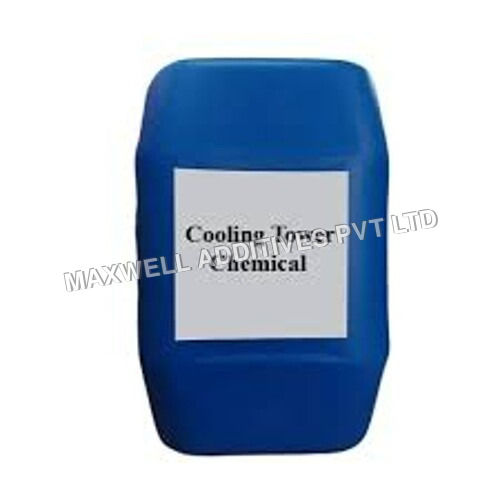
Cooling Water Biocides and Biodispersants
Price 100 INR / Kilograms
Minimum Order Quantity : 100 Kilograms
Type : Other
Application : Other, Used in cooling water treatment to control microbial growth and prevent biofouling
Solubility : Completely soluble in water
Grade : Other
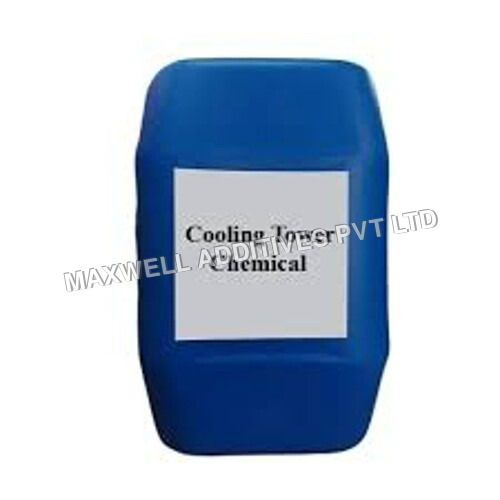
Cooling Water Scale and Corrosion Inhibitors
Price 100 INR / Kilograms
Minimum Order Quantity : 100 Kilograms
Type : Other
Application : Other
Solubility : Completely soluble in water
Grade : Industrial Grade

Steam Additives and Anti-Foams
Price 60 INR / Kilograms
Minimum Order Quantity : 50 kg Kilograms
Type : Other, AntiFoam/Defoamer Steam Additive
Application : Other, Used as steam additives and antifoams in boiler systems to control foaming and improve steam quality.
Solubility : Soluble in water
Grade : Industrial Grade

OLKLIN-CI-CW-1 Corrosion Inhibitors For Cooling Tower
Price 100.00 INR / Kilograms
Minimum Order Quantity : 50 Kilograms
Type : Other, Water Treatment Chemicals
Application : Other, Corrosion Inhibitors For Cooling Tower
Solubility : Completely Soluble in Water
Grade : Industrial Grade

 Send Inquiry

Our Products
- Benzalkonium Chloride
- Water Treatment Chemicals
- Oil and Gas Drilling Chemicals
- Sugar Processing Chemicals
- Polymers
- ETP Chemicals
- Water Treatment Biocides
- Polyelectrolyte
- Cleaning And Sanitizing Chemicals
- Organophosphonates
- Defoamer Chemical
- Polymer Chemical
- Pine Disinfectants
- Corrosion Inhibitors
- Acid Corrosion Inhibitor


Plot No. E-94, Sardar Estate, Road No 2, Vadodara - 390019, Gujarat, India

Mr Nachiket Shah
(Manager)
Mobile :08071793879
 Send Inquiry
 Send SMS
 Call Me Free
Developed and Managed by Infocom Network Private Limited.


